• Unified meta regression models identify genes for epilepsy

    Epilepsy is a chronic neurological disorder characterized by recurrent seizures. There are many epilepsy subtypes which warrants different approaches to treatment.

    Understanding the molecular mechanisms of epilepsy provides a precision medicine guided approach to treating the disease.

    To that end, we’ve developed a unified meta regression model that incorporates multiple moderators when analyzing the latest exome sequencing genetic data generated and provided by the Broad Institute.

    There are three epilepsy types we study:

    1. Developmental and epileptic encephalopathy (DEE, N=1,938),
    2. Genetic generalized epilepsy (GGE, N=5,499), and
    3. non-acquired focal epilepsy (NAFE, N=9,219)

    as well as the full the full epilepsy cohort (EPI, N=20,979) that we compare against 33,444 controls.

    We incorporate concepts like:
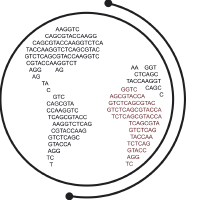
    genome constraint, i.e. where the genome is intolerant to mutations, a concept pioneered by Dr. Kaitlin Samocha. If you want to listen to constraint in the genome please see our blog post where we sonify constraint. The concept is asking the question does information about your neighbors tell me about you. The Hidden Markov Model enables us to get a per site constraint probability.
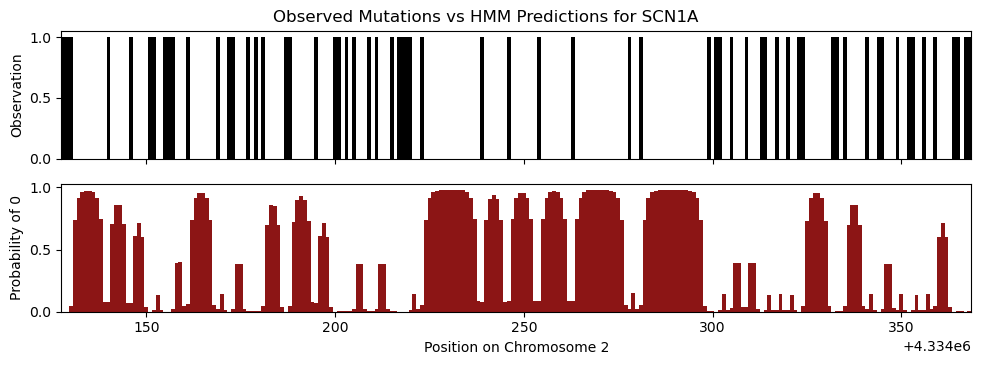
    Genome constraint for SCN1A. Sites that are intolerant to mutations are informed by their neighbors.

    loss-of-function, i.e. whether a mutation is predicted to break the function of a gene.

    Depiction of protein truncating variants or predicted loss-of-function variants and their systematic study using transcriptome data.

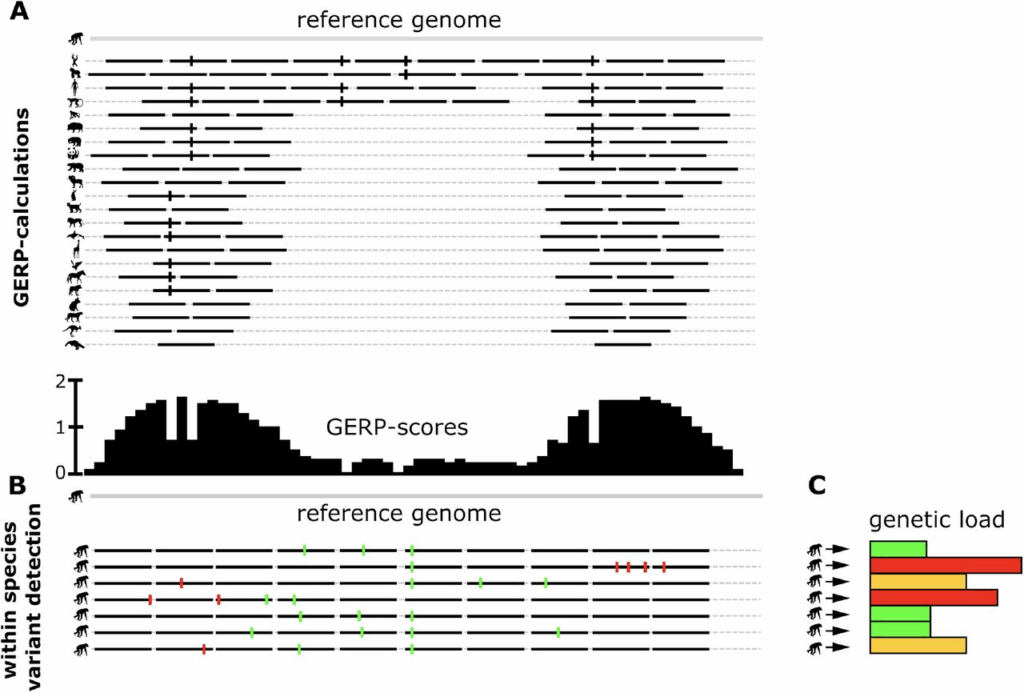
    Genomic Evolutionary Rate Profiling (GERP), which quantifies evolutionary constraint which compares the number of mutations observed at a particular position compared to what we expect under neutrality. The larger the GERP score the more likely it is constrained and the lower the GERP score the more likely it is neutral or under positive selection.
    Impact of missense variants on protein-folding via the AlphaMissense score.
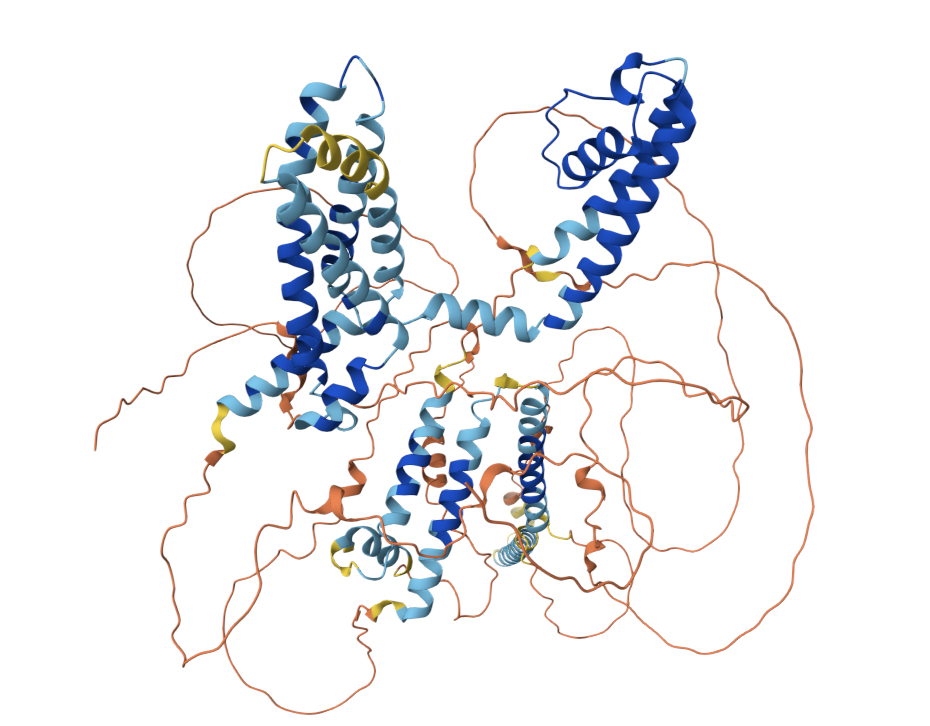
    KCNQ2 3D experimental structure with the AlphaMissense scores overlayed (dark blue is higher AlphaMissense score, i.e. likely to be deleterious).

    Results

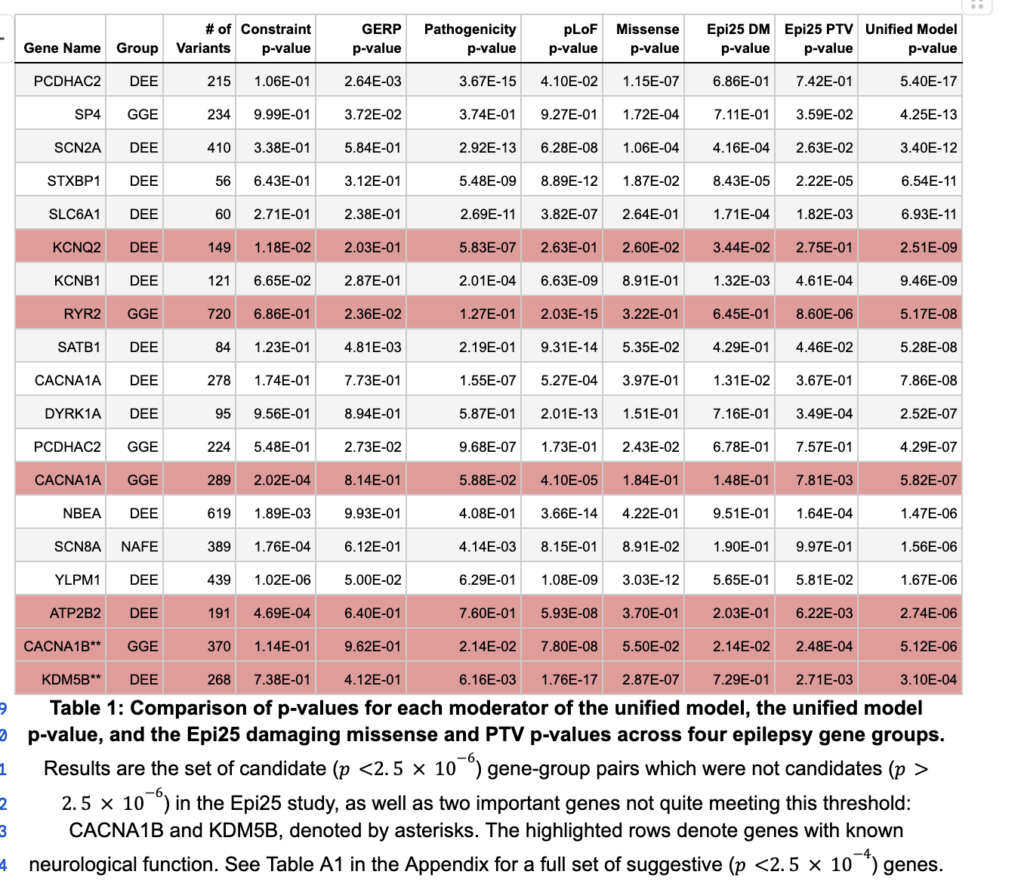
    We identify 14 new epilepsy genes that have stronger evidence of association than the Epi25 paper.

    See the updated pre-print for the latest results.
  • O’ memory: transient global amnesia

    About a year ago I had a bike accident where the only memories formed were leaving the house and ending up in an ambulance. I have to admit it was a scary experience not knowing how or why I ended up the way I did.

    This experience got me thinking about memories: i) where are they stored? ii) how are they formed?

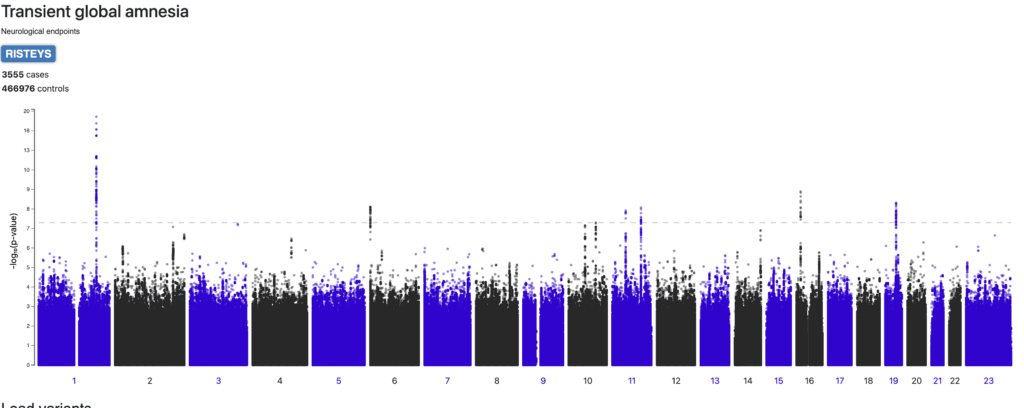
    I shared with Mark Daly about this experience and he mentioned that there was a peculiar phenotype, transient global amnesia, in FinnGen, the population biobank of the Finnish population, that has stunning genome-wide association results. For one the associations seem to be specific to the phenotype and were not shared by other phenotypes, and two the phenotype had many towers, i.e. evidence of genetic variants associated to the phenotype.

    Transient global amnesia, is a neurological phenotype, where people are not able to form memories over the course of 24 hours.

    To read more about our research on transient global amnesia please see our paper.

  • What dreams may come

    While asleep, some individuals dream. Dreams affect the mood of an individual, and often they have supernatural connections ( biblical stories), suggesting there may be a connection with the divine.

    Personally, I’ve had many dreams that have no natural explanation. Like many research activities we wonder what can be the explanation for them.

    To that end, we have collaborated with UK Biobank and others to study dreams.

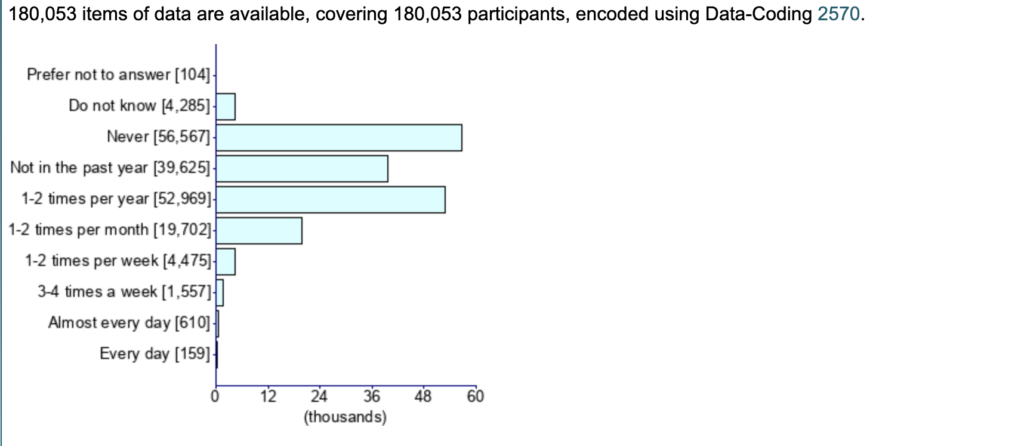
    UK Biobank and our team asked over 180,000 individuals in the UK how often they have nightmares.

    This first glimpse of the data gives a very interesting depiction of what is happening at a large scale. First, we find that in the UK Biobank data approximately 25-30% of individuals answer that they never have nightmares. Interestingly, approximately 0.4% of individuals report that they have either daily or almost daily nightmares.

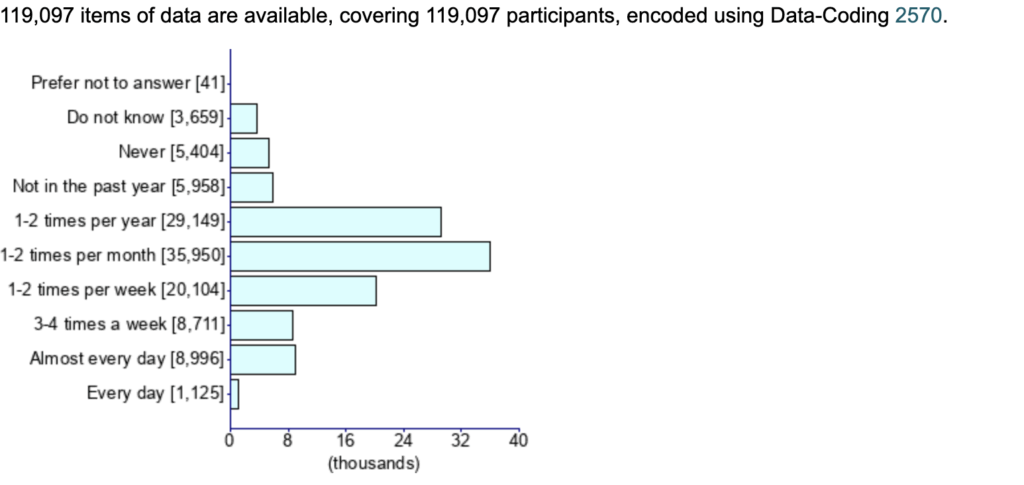
    120,000 individuals responded to how often they can remember their dreams.

    Approximately 1% report that they remember their dreams on a daily basis. About 5% report that they can’t recall their dreams.

    We are aggregating data for dreams and nightmares and tying to genetics, blood biomarkers, and other phenotype measurements that may be available to us to better understand them.