Epilepsy is a chronic neurological disorder characterized by recurrent seizures. There are many epilepsy subtypes which warrants different approaches to treatment.
Understanding the molecular mechanisms of epilepsy provides a precision medicine guided approach to treating the disease.
To that end, we’ve developed a unified meta regression model that incorporates multiple moderators when analyzing the latest exome sequencing genetic data generated and provided by the Broad Institute.
There are three epilepsy types we study:
- Developmental and epileptic encephalopathy (DEE, N=1,938),
- Genetic generalized epilepsy (GGE, N=5,499), and
- non-acquired focal epilepsy (NAFE, N=9,219)
as well as the full the full epilepsy cohort (EPI, N=20,979) that we compare against 33,444 controls.
We incorporate concepts like:
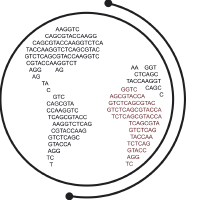
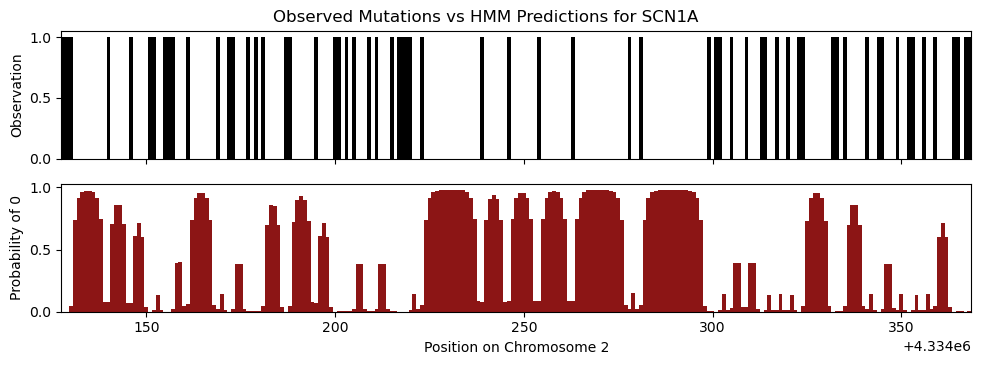
genome constraint, i.e. where the genome is intolerant to mutations, a concept pioneered by Dr. Kaitlin Samocha. If you want to listen to constraint in the genome please see our blog post where we sonify constraint. The concept is asking the question does information about your neighbors tell me about you. The Hidden Markov Model enables us to get a per site constraint probability.
loss-of-function, i.e. whether a mutation is predicted to break the function of a gene.

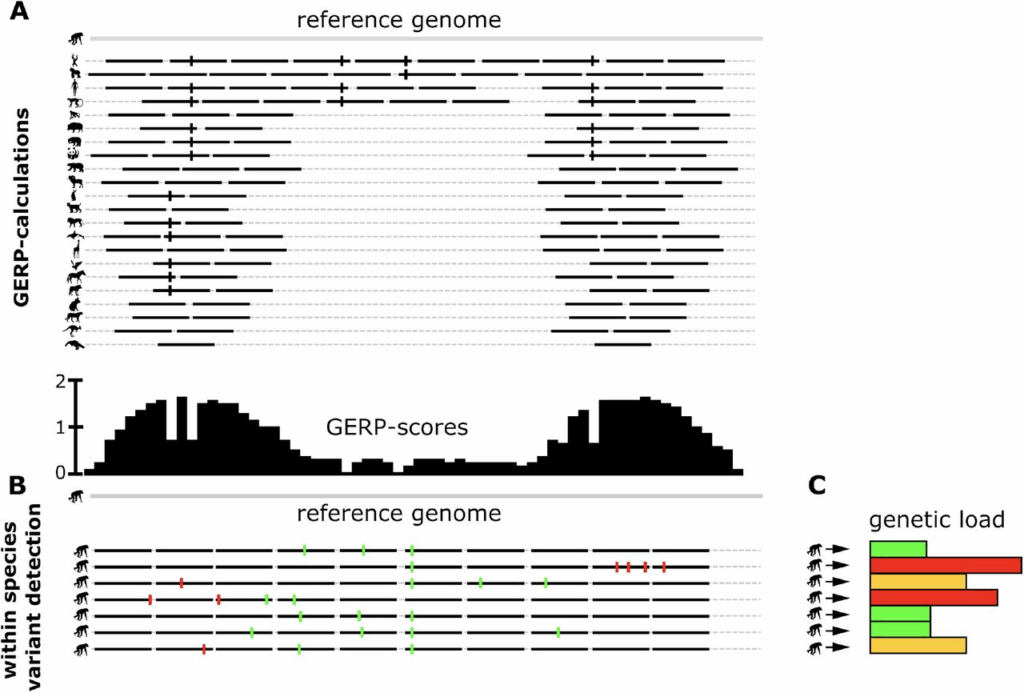
Genomic Evolutionary Rate Profiling (GERP), which quantifies evolutionary constraint which compares the number of mutations observed at a particular position compared to what we expect under neutrality. The larger the GERP score the more likely it is constrained and the lower the GERP score the more likely it is neutral or under positive selection.
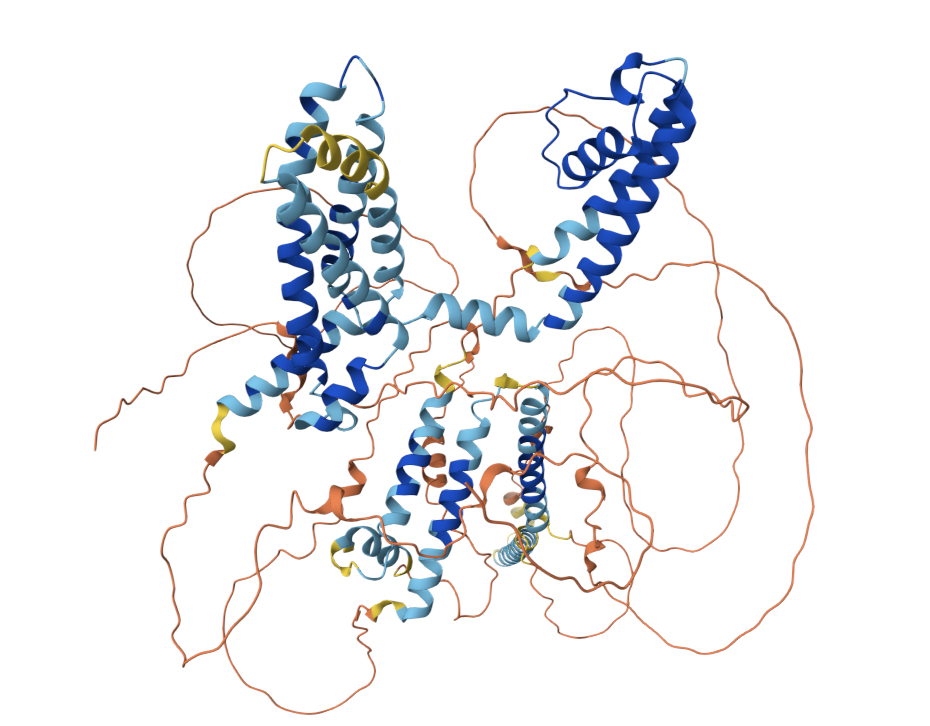
Impact of missense variants on protein-folding via the AlphaMissense score.
Results
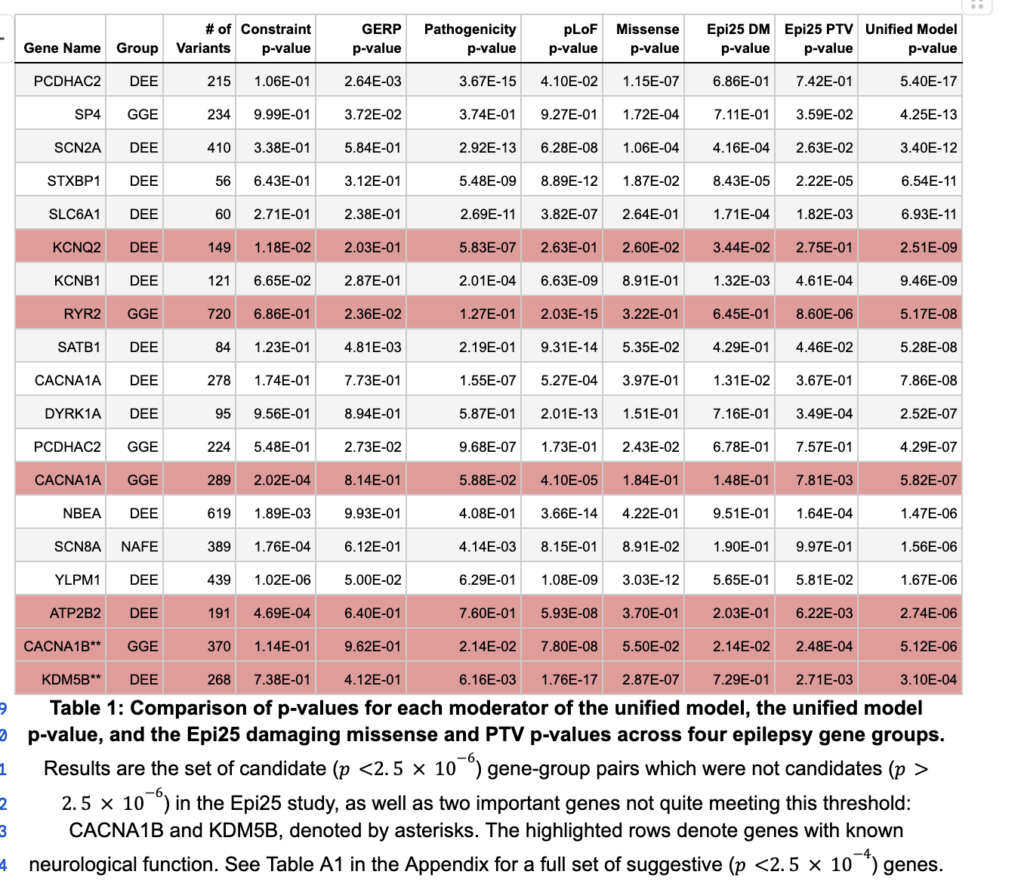
We identify 14 new epilepsy genes that have stronger evidence of association than the Epi25 paper.
See the updated pre-print for the latest results.
Leave a Reply