
Category: Uncategorized

  • What dreams may come

    While asleep, some individuals dream. Dreams affect the mood of an individual, and often they have supernatural connections ( biblical stories), suggesting there may be a connection with the divine.

    Personally, I’ve had many dreams that have no natural explanation. Like many research activities we wonder what can be the explanation for them.

    To that end, we have collaborated with UK Biobank and others to study dreams.

    UK Biobank and our team asked over 180,000 individuals in the UK how often they have nightmares.
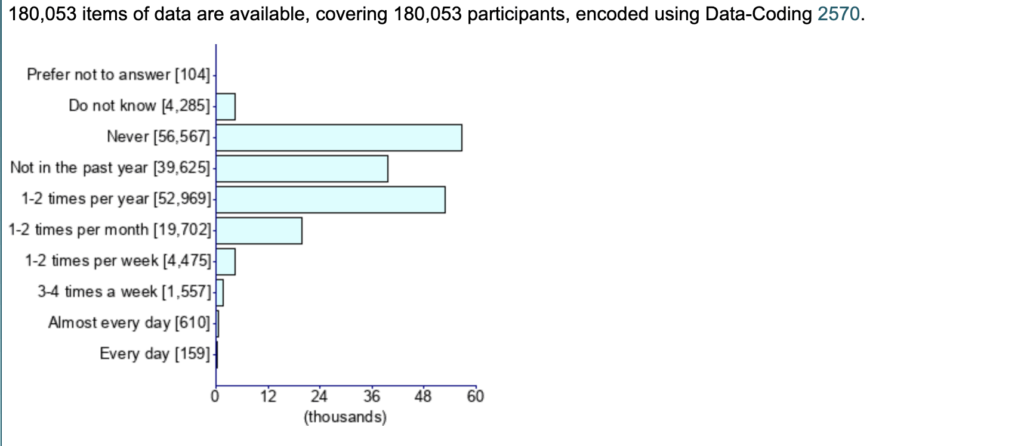
    This first glimpse of the data gives a very interesting depiction of what is happening at a large scale. First, we find that in the UK Biobank data approximately 25-30% of individuals answer that they never have nightmares. Interestingly, approximately 0.4% of individuals report that they have either daily or almost daily nightmares.

    120,000 individuals responded to how often they can remember their dreams.
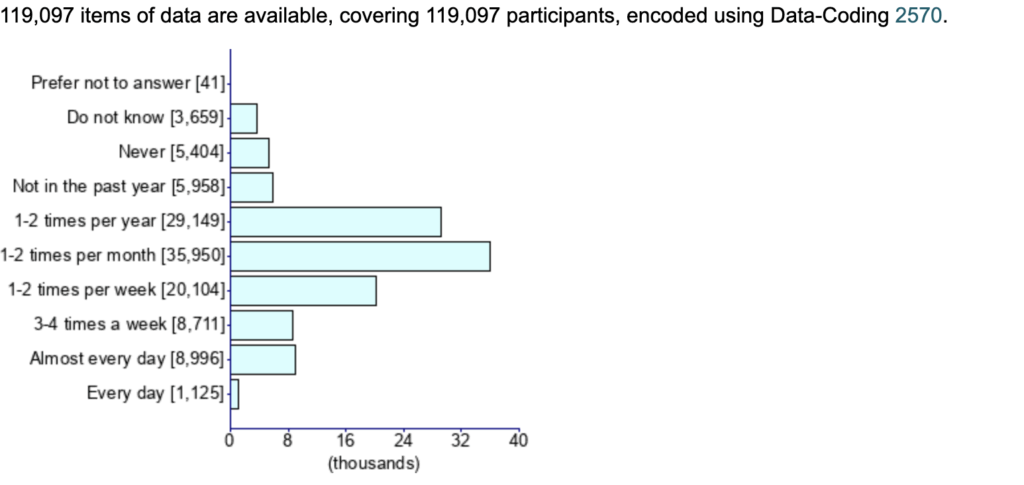
    Approximately 1% report that they remember their dreams on a daily basis. About 5% report that they can’t recall their dreams.

    We are aggregating data for dreams and nightmares and tying to genetics, blood biomarkers, and other phenotype measurements that may be available to us to better understand them.

  • Why rare variants, and not common variants, are best for therapeutic hypotheses

    Although cumulatively common variants appear to explain a large fraction of the heritability of most human traits, they offer little benefit to drug developers. For one, it is quite difficult to pinpoint the culprit genes, much less the culprit variants, and for two the functional consequences are poorly understood.

    Relationship between polygenic risk score (x-axis) and standing height (y-axis) in UK Biobank.

    Unlike common variants, rare variants offer an alternative view that makes it easier to distinguish causal relationships due to breaking of the correlation structure between variants and the complex trait association support by multiple independent variants.

    We’ve written some papers on looking at multiple properties of rare variants to jointly dissect their contribution:
    1. by looking at the effect of the genetic variants by protein structure impact prediction;
    2. by looking at whether the genetic variants lead to loss of gene function; and
    3. by looking at whether information about what is happening to their neighbors is informative about what is happening to you and your relationship to the human trait of interest.

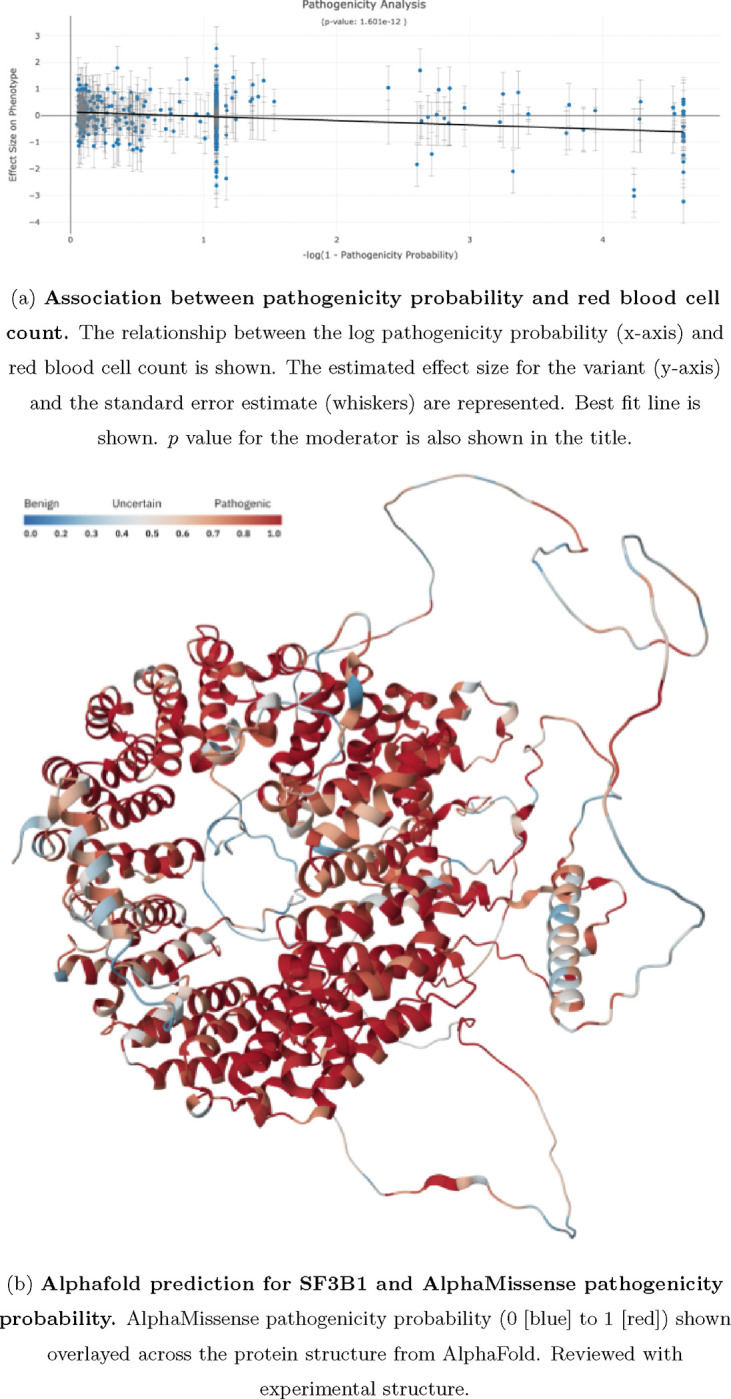
    Below is an example where we see that the probability of pathogenicity, i.e. a probability determined by the predicted impact of the mutation on protein folding by a deep learning algorithm, is related to the observed values of red blood cell count in individuals that carry those mutations. The location of mutations that are pathogenic are shown in Figure panel (b).

  • Demographic modeling of population growth

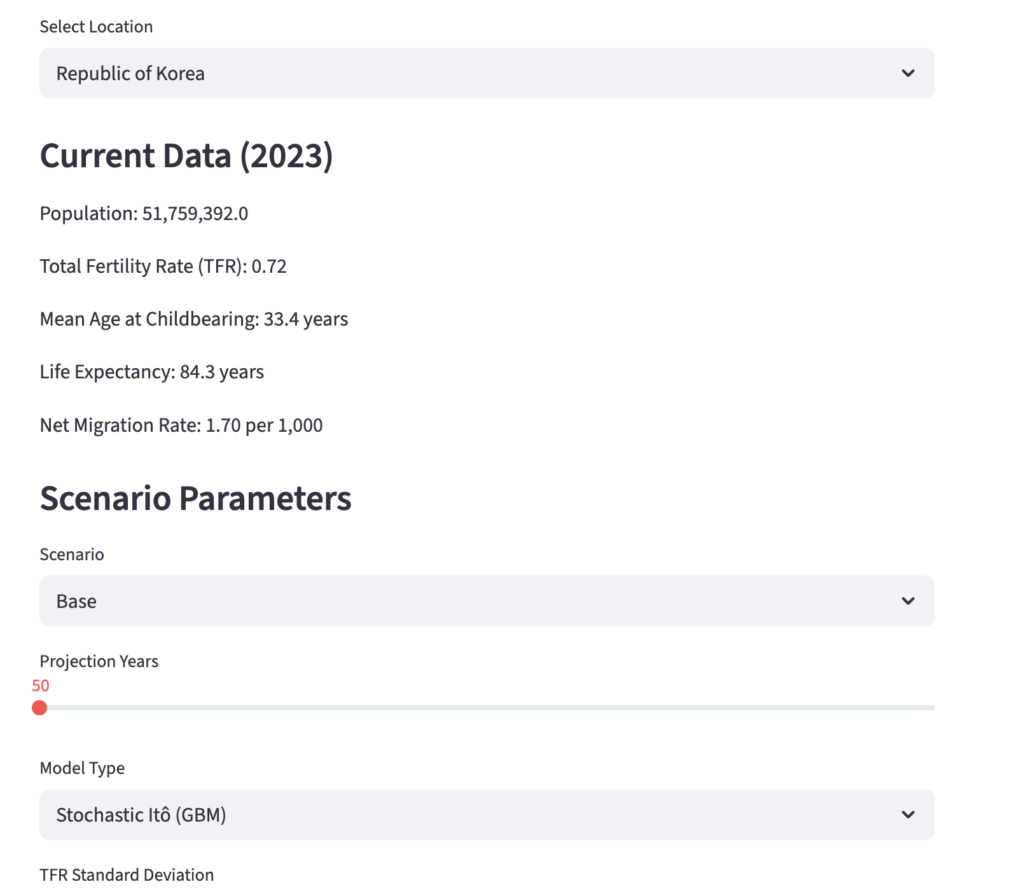
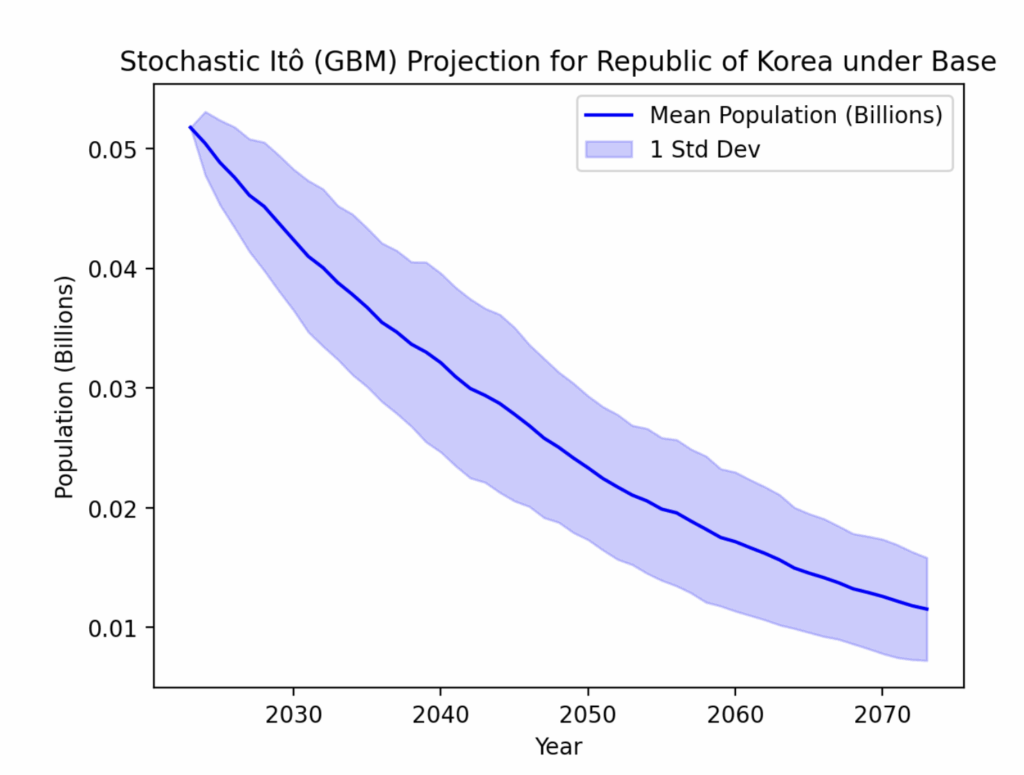
    Kiyosi Itô pioneered the theory of stochastic integration and stochastic differential equations. I used AI and the United Nations growth data to project population growth across various countries given migration patterns, fertility rates, etc.

    https://demographic.streamlit.app/

    Here is a technical report on the demographic modeling work.