Category: Uncategorized

  • Efficient regression for population scale genome sequencing studies

    As we move from Common Variant Association Studies (CVAS) to Rare Variant Association Studies (RVAS) it has become increasingly obvious that the majority of our computational workload will be dedicated to analyzing rare variants.

    For simple illustration here is a side by side barplot showing the absolute number of common variants in a whole genome sequencing study of approximately 200,000 individuals (AllofUs dataset).
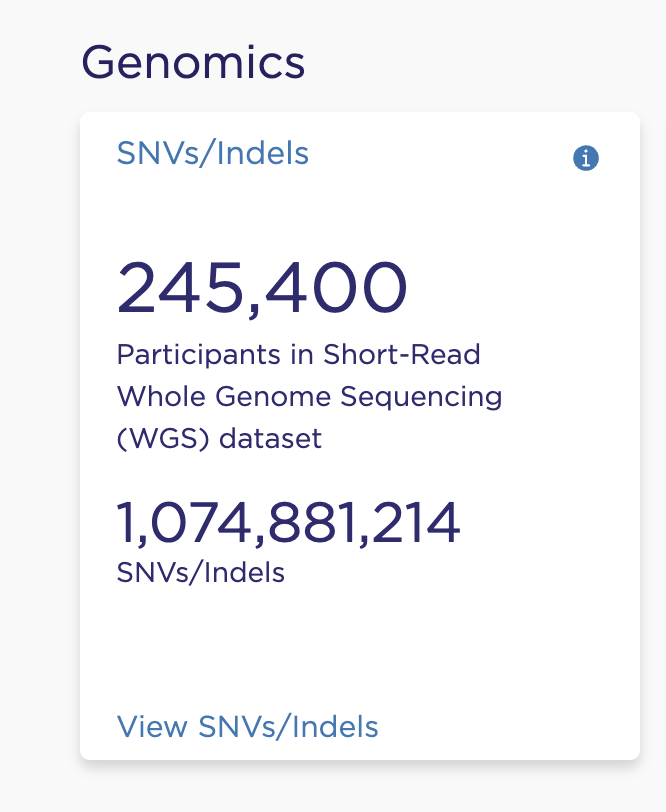
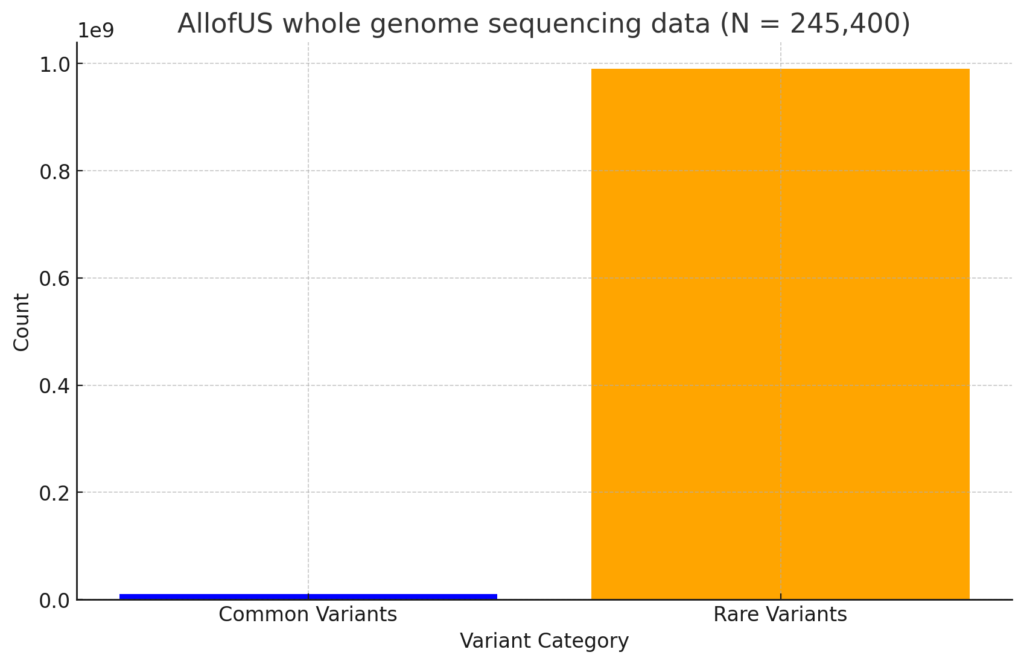
    If we were to visualize it in a barplot the difference is quite dramatic.

    I initially analyzed the body mass index phenotype in the AllofUs cohort using PLINK 2.0.

    PLINK 2.0 has computationally efficient algorithms. However, it was quite clear that the original algorithms required quite a lot of computational resources to run it across hundreds of thousands of individuals.

    To compare we conducted univariate regression across the exome for the body mass index (BMI) phenotype in the AllofUS cohort, which required 11.6 hours using 50 threads on a single machine.

    We realized that we could improve the efficiency of the study by taking advantage of the property that most of the variants that were being analyzed were rare.

    To compute the estimates of the regression coefficients we only needed access to the data from the rare variant carriers after residualizing the covariates (this computation only needs to be done once).

    We were able to reduce computation time down from 11.6 hours to 1.6 minutes using 50 threads in a single machine.
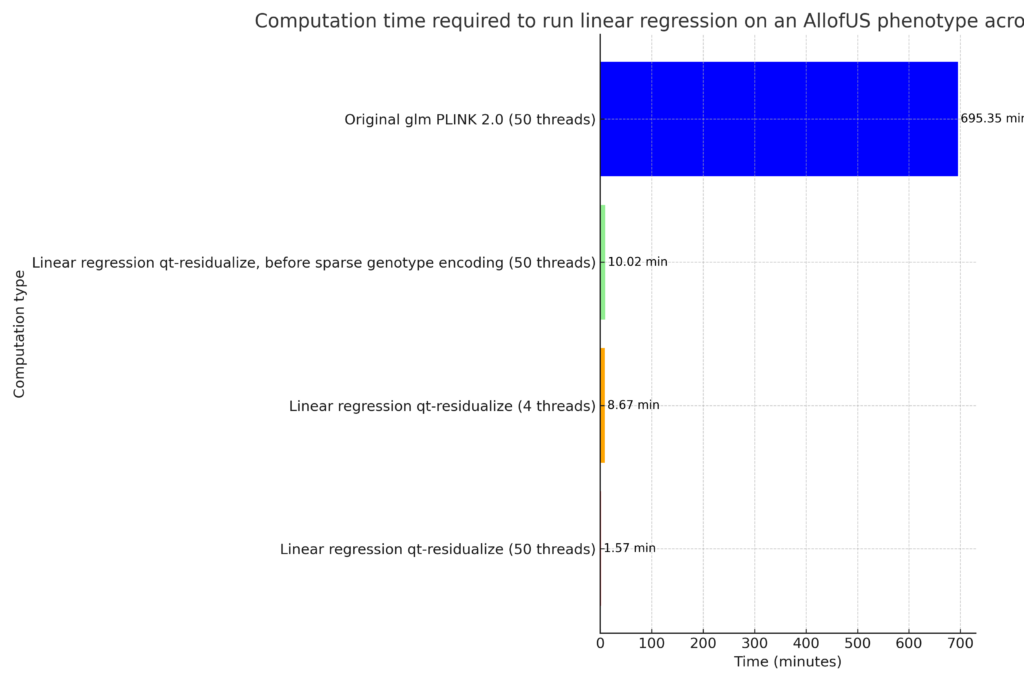
    We also found that we were able to maintain power and control type 1 error rates.
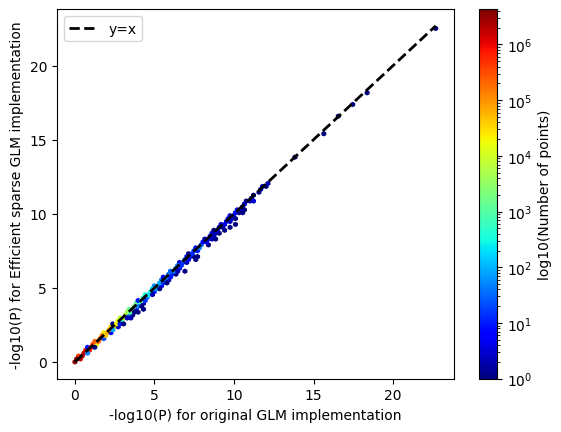
    Paper is found here on biorxiv and it is In Press at Bioinformatics.

  • Rivas Lab

    The Rivas Lab is located in the Department of Biomedical Data Science at Stanford University.

    Research in the lab

    We are focused on:

    1. Developing methods for generating effective therapeutic hypotheses from human genetic data,
    2. Training disease risk prediction models from biomarkers and human genetic data,
    3. Building artificial intelligence tools for tumor boards,
    4. Optimizing computational algorithms by numerical and statistical strategies.

    I will post blog posts of recent research in my lab.

    A bit about the PI:

    I was born in Managua, Nicaragua. I was trained in Mathematics (Course 18) at Massachusetts Institute of Technology.

    There, I was trained by Prof. Richard M. Dudley whose research mainly focused on empirical process theory.

    Plot of a Brownian Bridge.

    While at MIT, I spent a great deal of time doing human genetics research with Dr. Mark J. Daly and Dr. David Altshuler. There, I had the privilege to work on Genome Wide Association Studies, i.e. studies that try to link genetic variants/mutations in the genome to diseases.

    GWAS of a disease. On the x-axis is the position of the genetic variant in the genome. Y-axis the corresponding -log10(P value) for the variant after testing for association.

    I obtained my DPhil (PhD) in the Nuffield Department of Clinical Medicine at the University of Oxford. I was a Clarendon Scholar, Osler Award winner, and supervised by Prof. Mark McCarthy and Prof. Peter Donnelly. My research focused on developing methods for rare variant association studies.