Category: Uncategorized

  • Efficiency and power in clinical trials using biomarkers and genetic risk scores

    The incorporation of biomarkers into clinical trials has the potential to improve trial efficiency, reduce required sample sizes, and increase statistical power to detect treatment effects. By identifying and measuring reliable biomarkers early in the trial, researchers can refine patient selection, stratify risk, and potentially replace or supplement traditional endpoints with more responsive or biologically relevant measures. Despite these advantages, questions remain regarding the appropriate study design, analysis plan, and methodological strategies to ensure that incorporating biomarkers truly enhances the power of a trial rather than inflating Type I error or introducing bias.
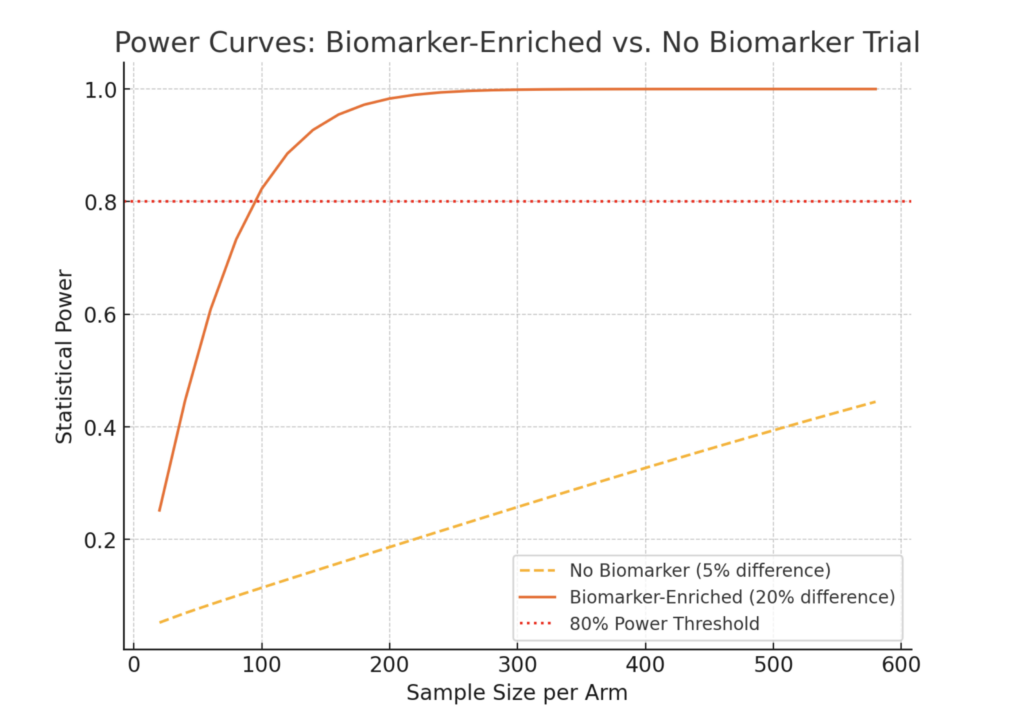
    Above, I show sample power curves for clinical trials informed by biomarkers where they are prognostic and predictive in nature.
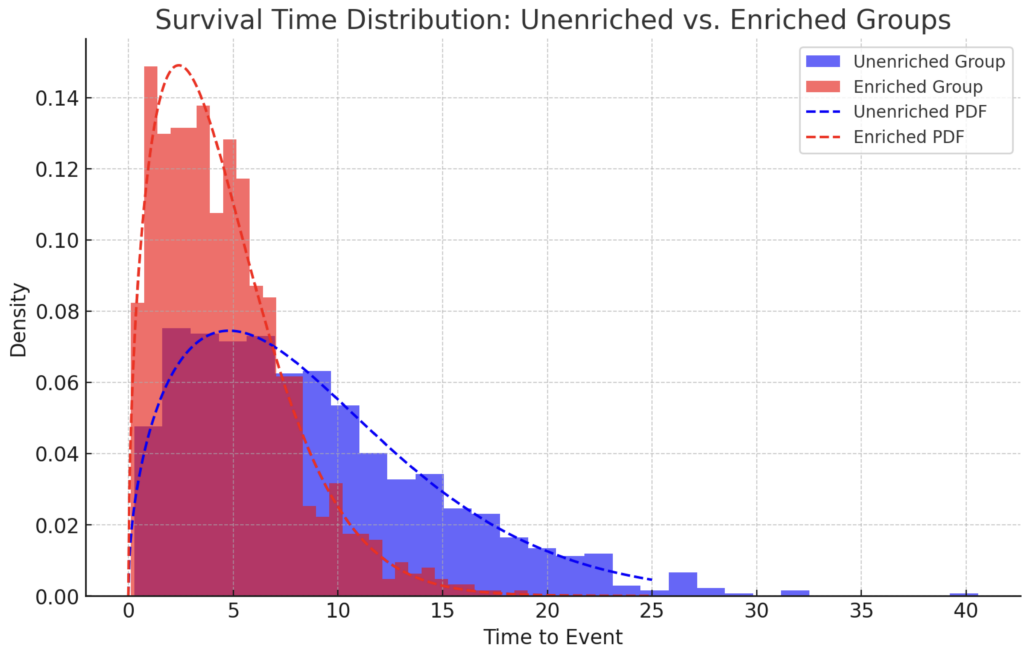
    Biomarkers can also be used to increase the event rate of clinical trials. Genetic risk scores can be used as a very powerful biomarker for clinical trials.
  • Genetics of COVID-19

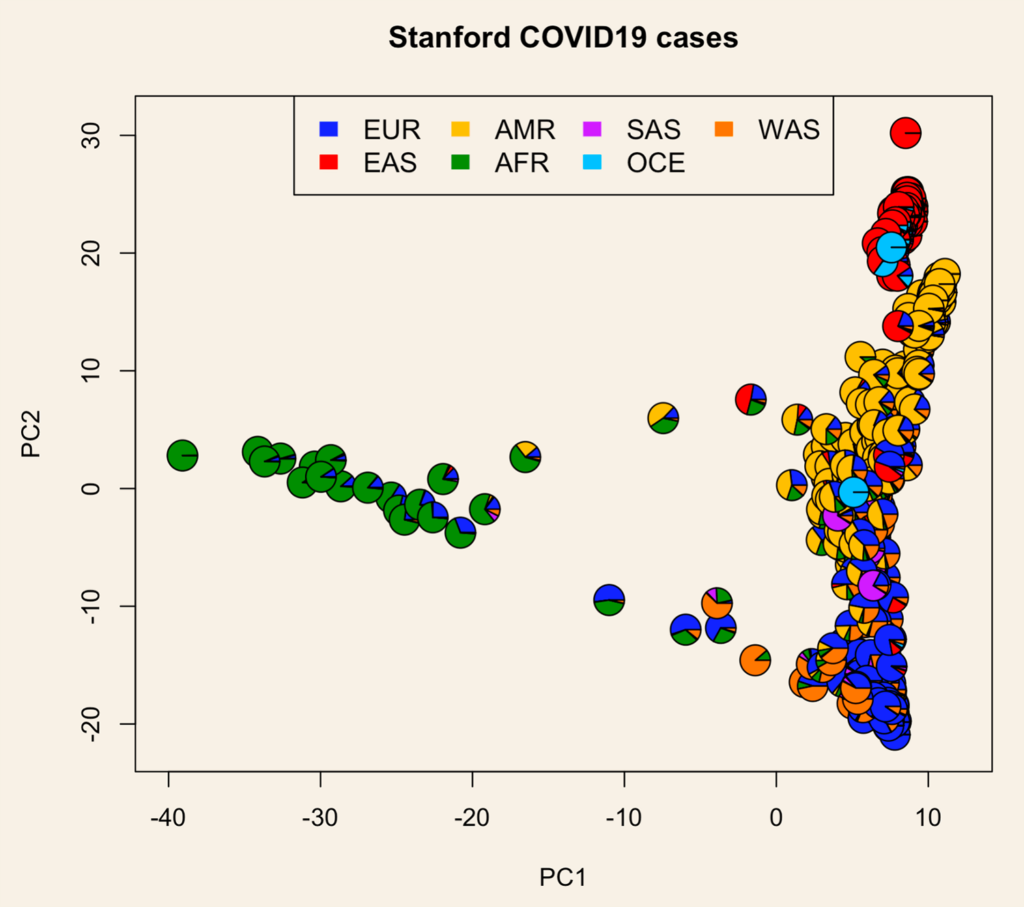
    Genetics could explain why some people get severe COVID-19. During the pandemic we researched the genetic predisposition to COVID-19 severity. In a matter of a few months we built a biobank at Stanford University. The majority of individuals were admixed individuals, i.e. of multiple ancestries. I’m really amazed as to how quickly we were able to put together a biobank to study a deadly pandemic. To read more about the Stanford Biobank for COVID-19 please see link here.

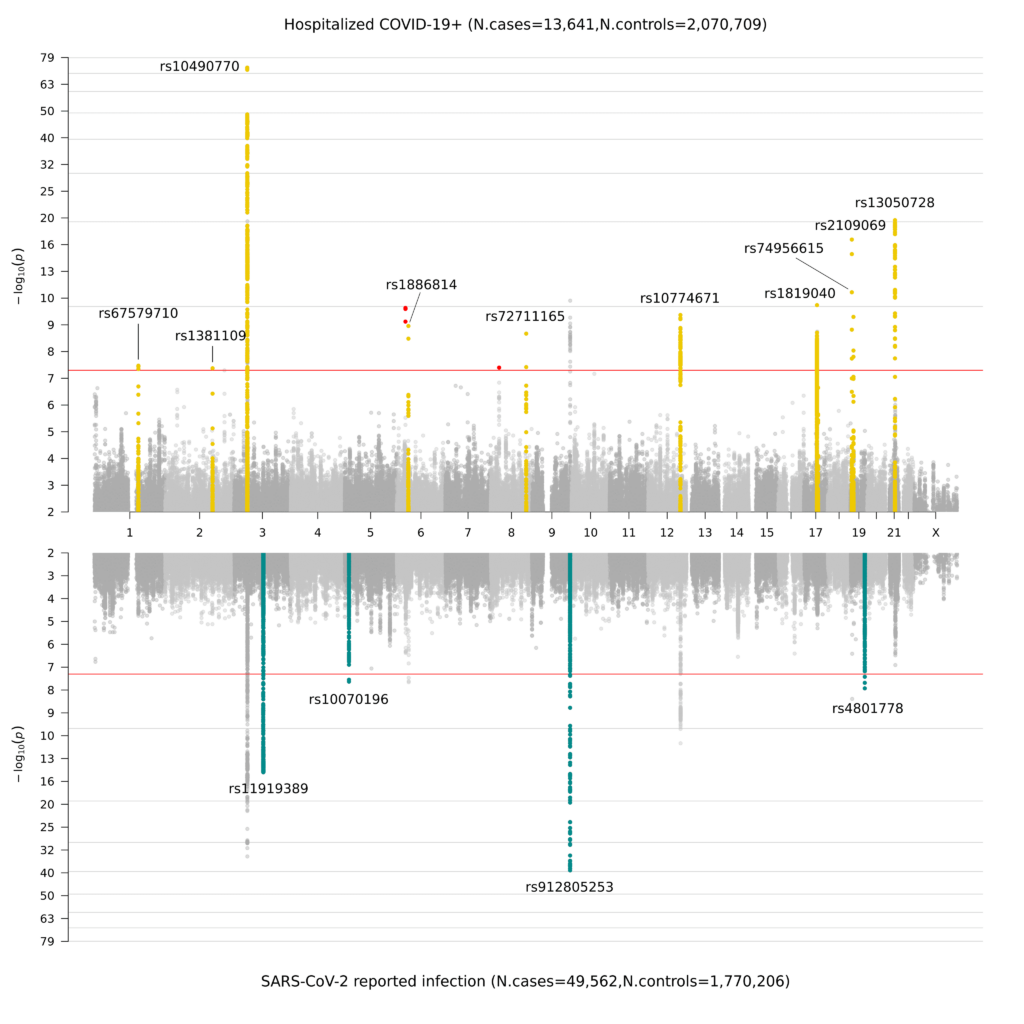
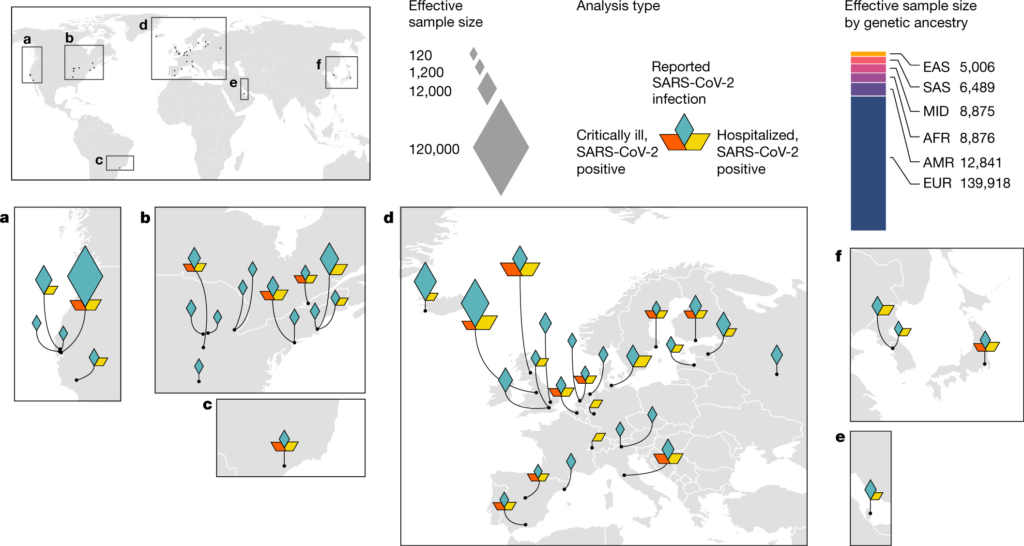
    With our international colleagues and collaborators we were able to put together results across biobanks and conduct an international meta-analysis of SARS-CoV-2 (virus) infection and COVID-19 (disease) severity.

    Location of the international COVID-19 biobanks.

    This resulted in over 40 loci associated SARS-CoV-2 infection and COVID-19 hospitalization. Paper summarizing findings is found in Nature.

  • Generating effective therapeutic hypotheses from human genetic data

    Protective genetic mutations are a guide from natural experiments of Nature to identify genetically validated therapeutic targets.

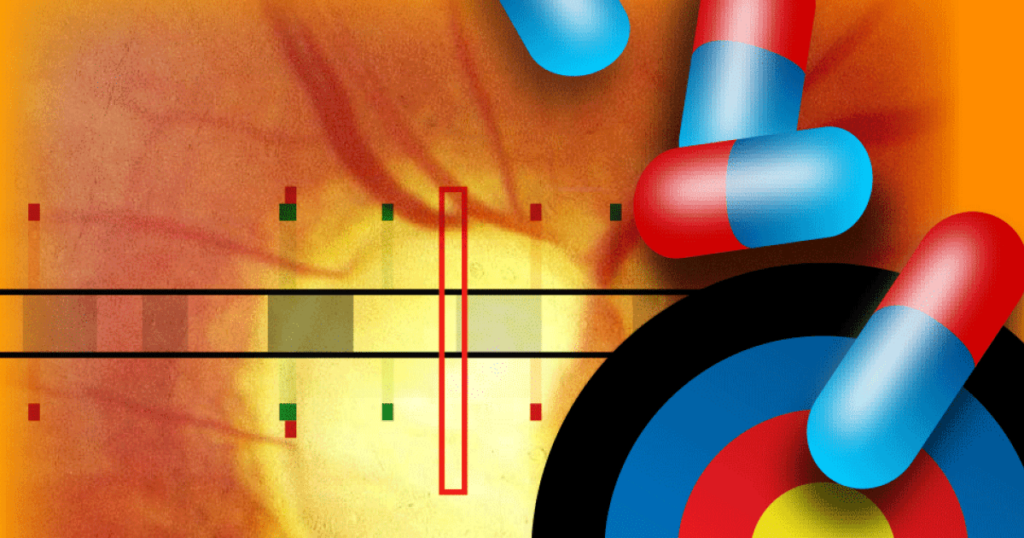
    For glaucoma, we discovered loss-of-function variants in ANGPTL7 that lower intraocular pressure and protect against glaucoma. Editor’s pick from Science journal.


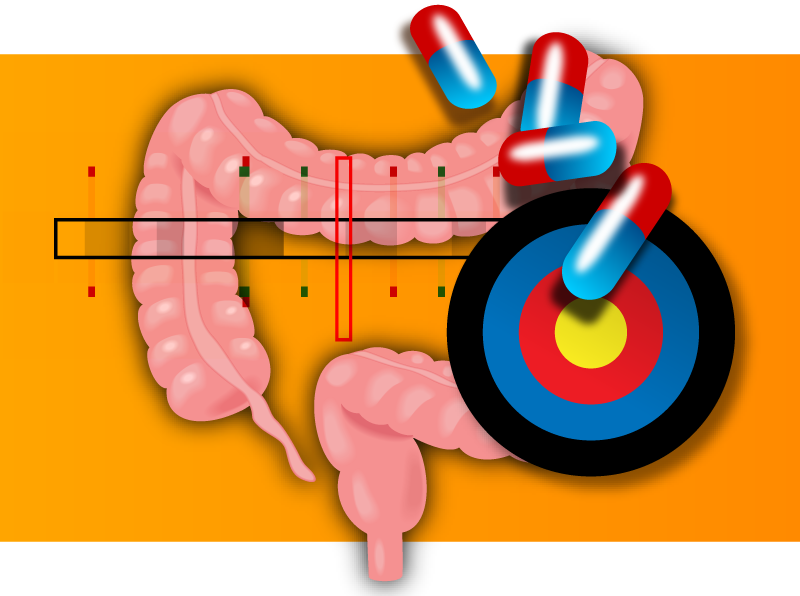
    For Inflammatory Bowel Diseases, we discovered loss-of-function variants in CARD9 and RNF186 that protect against Crohn’s disease and ulcerative colitis.


    For cancers, we discovered a missense variant in WNT6 that protects against human cancers.

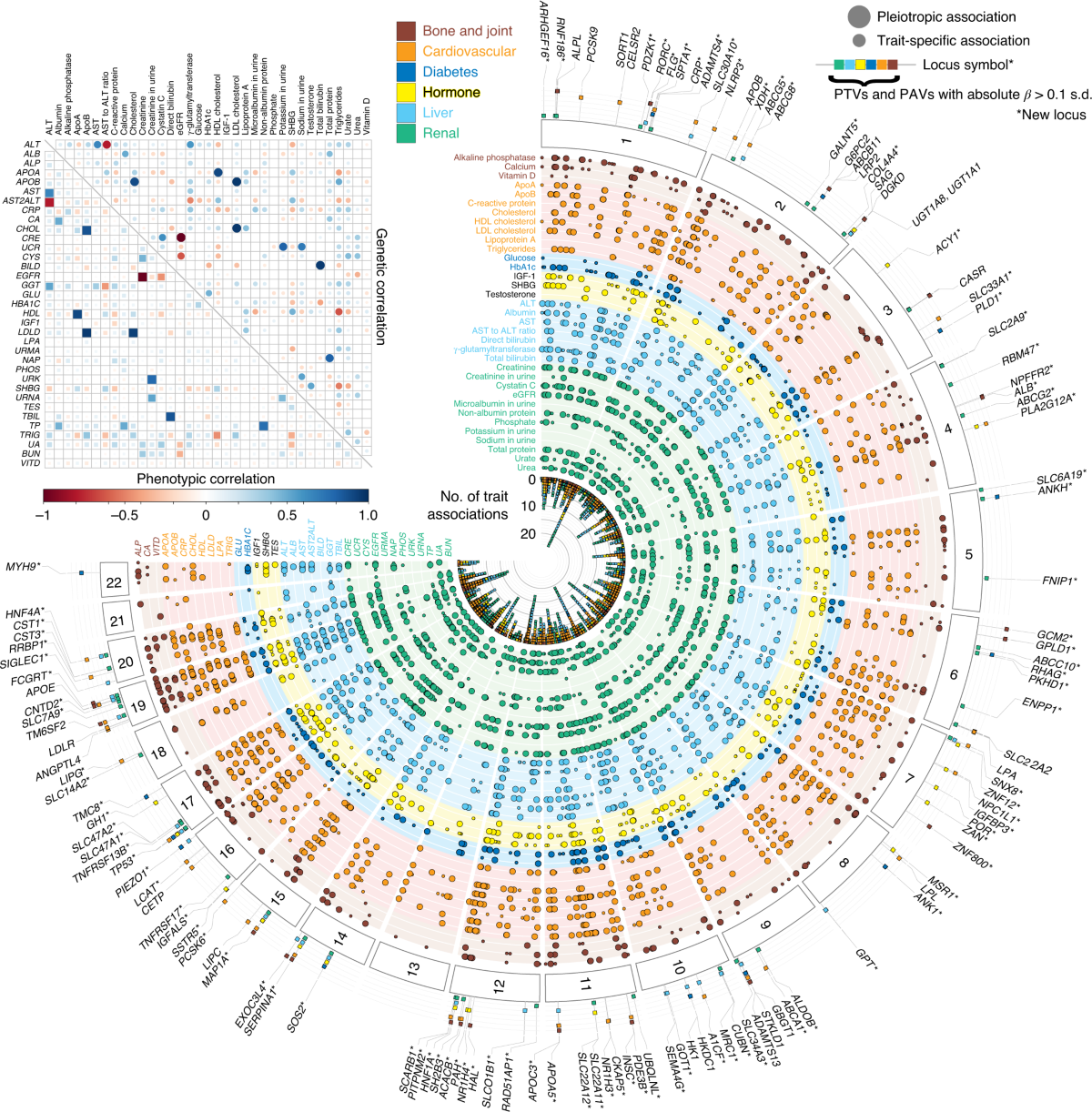
    For chronic kidney disease and its related biomarkers including creatinine and eGFR we discovered genetic variants that lowered Creatinine (improved eGFR) and protected against chronic kidney disease.

    These are genetically validated therapeutic hypotheses that will hopefully lead to effective therapies.